01
Top-Down and Bottom-Up
How games take shape through vision-led execution or prototype-driven discovery.
From Vision to Form, and Vice Versa. Grounded in three decades of gameplay prototyping, experimentation, and innovation.
This blog is organized around three kinds of inquiry.
How games take shape through vision-led execution or prototype-driven discovery.
Notes from the workbench: prototypes, design problems, production lessons, and craft principles gathered through hands-on work.
Close readings of shipped games, examining mechanics, levels, systems, and design decisions with care and precision.
Three essays types that cover the spine of what I write about. If you are new, start with the first.
Emergence is not chaos. It is what happens when readable rules create patterns, prediction, control, chain reactions, and surprising consequences.
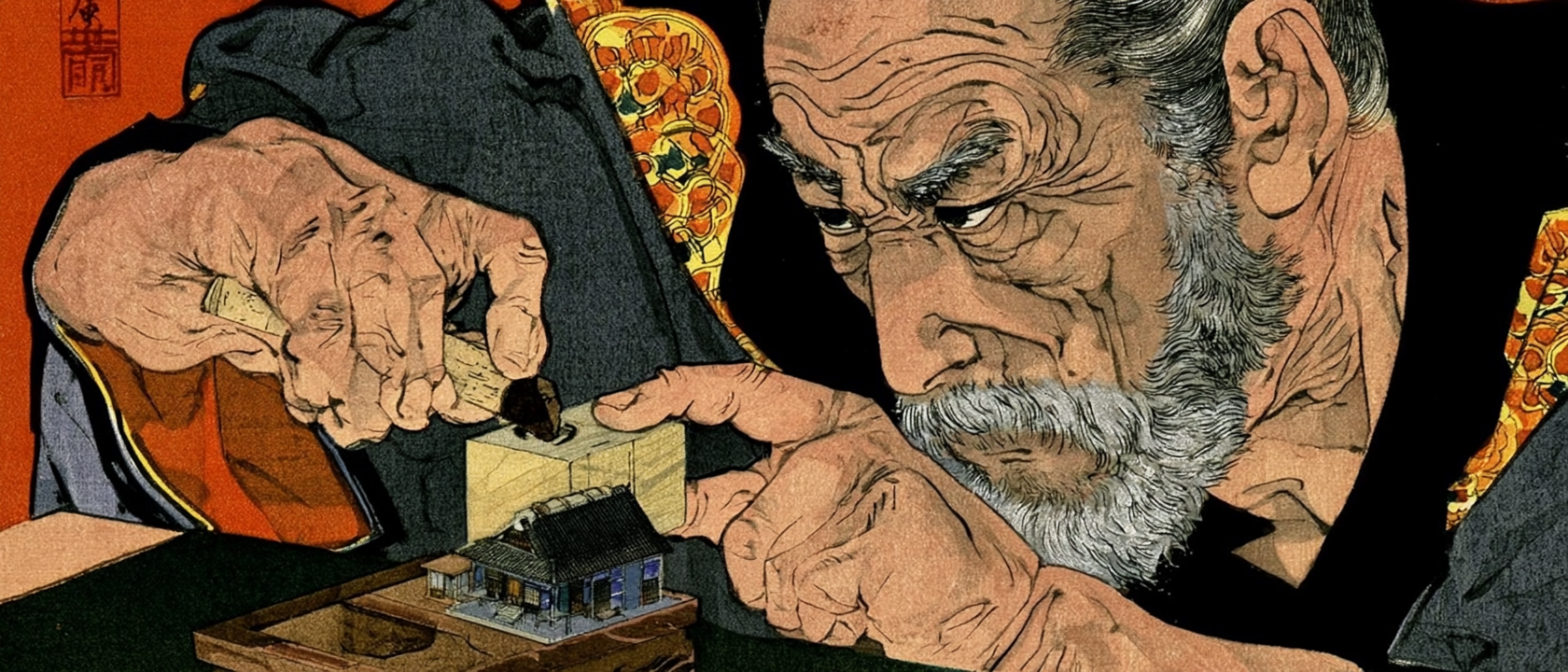
A strong game is not built by collecting good ideas. It becomes strong when mechanics, levels, interface, art, and meaning all point toward the same player experience.
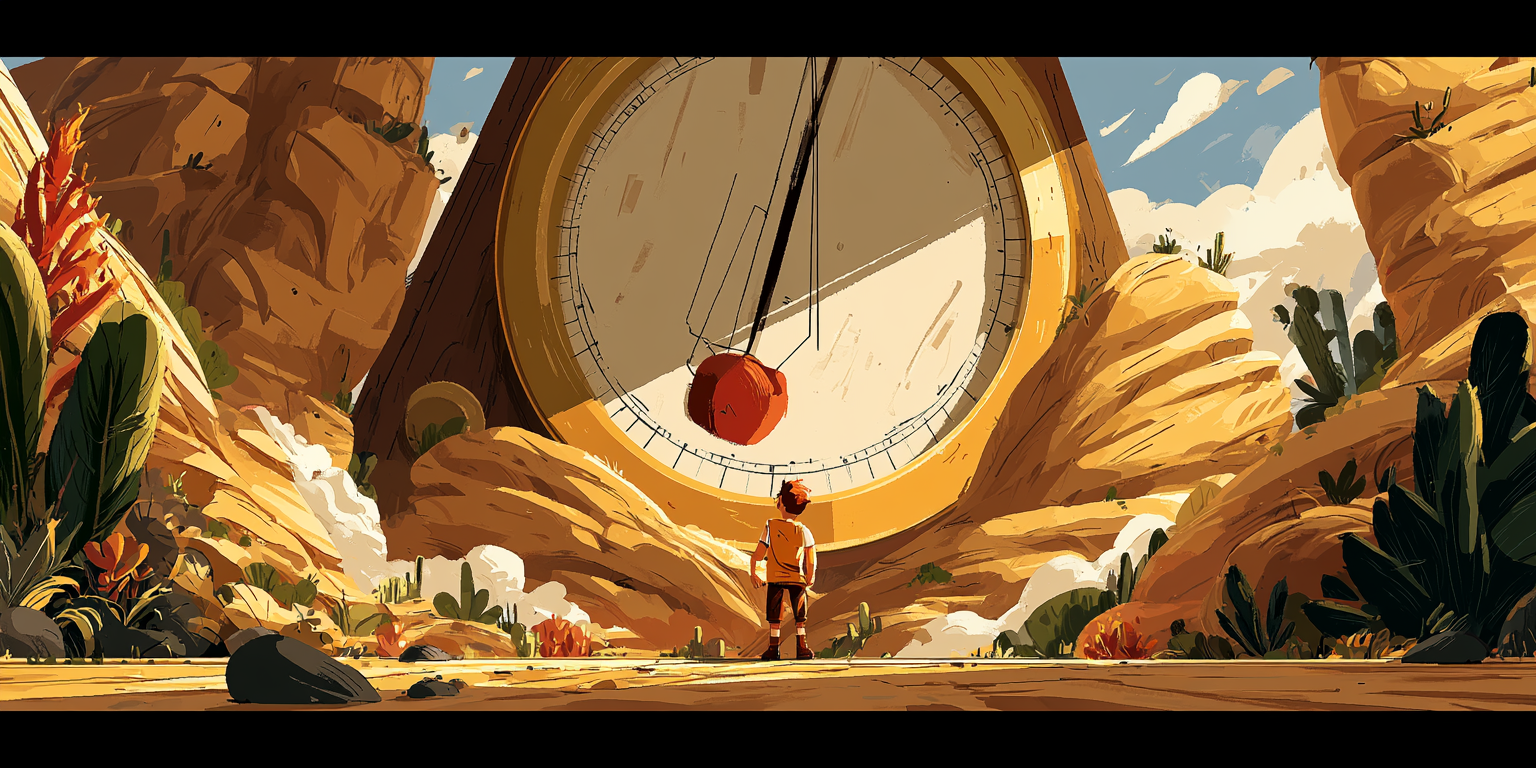
Pacing shapes the moment. Rhythm shapes the larger flow. Understanding this distinction is essential in game design, as confusing the two can result in an experience that breaks the flow.
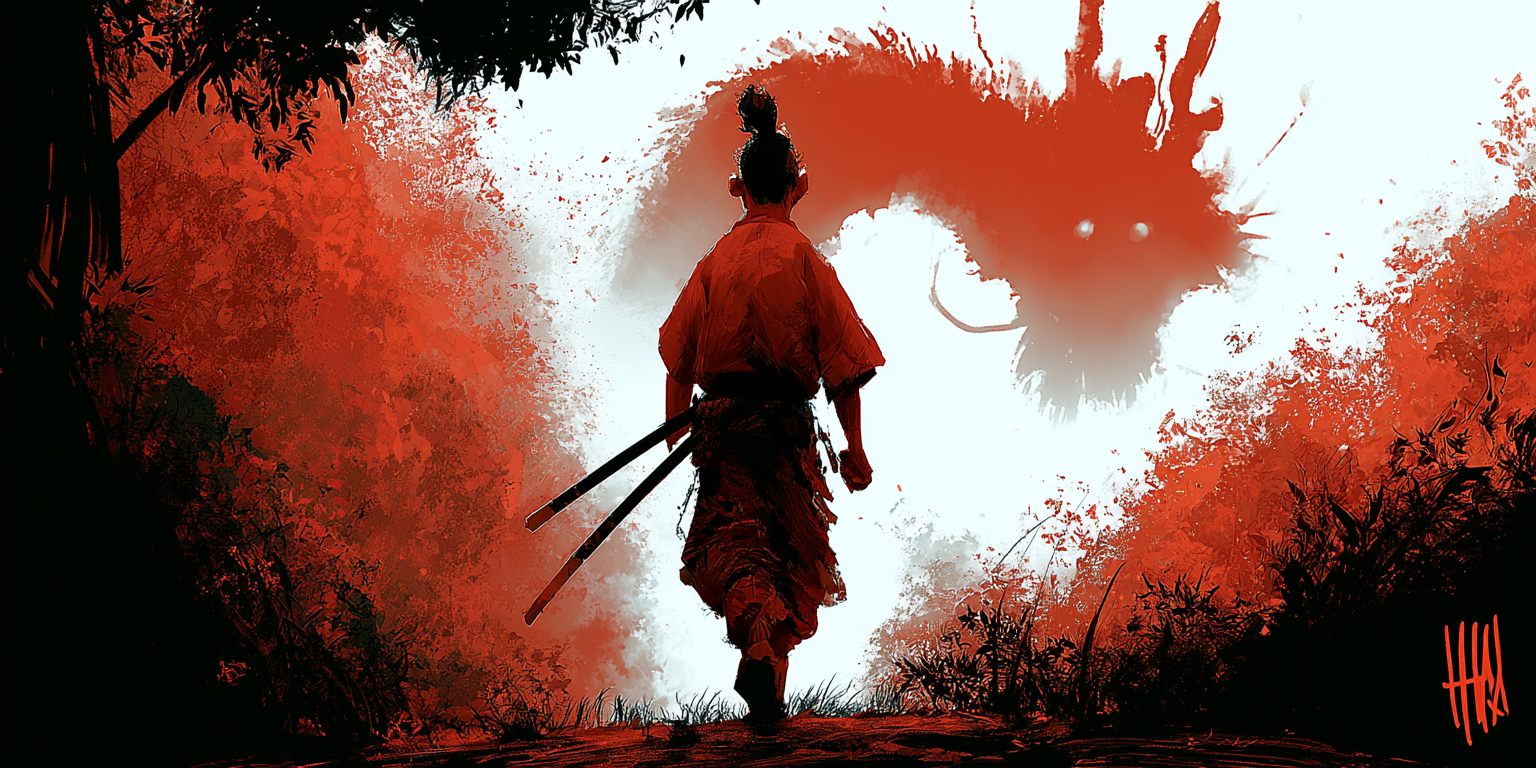
A good level does not simply place content in front of the player. It introduces an idea, develops it, twists it, and lets the player understand what they have learned.
Every note, in order. Filter by category to focus, or scroll to wander.
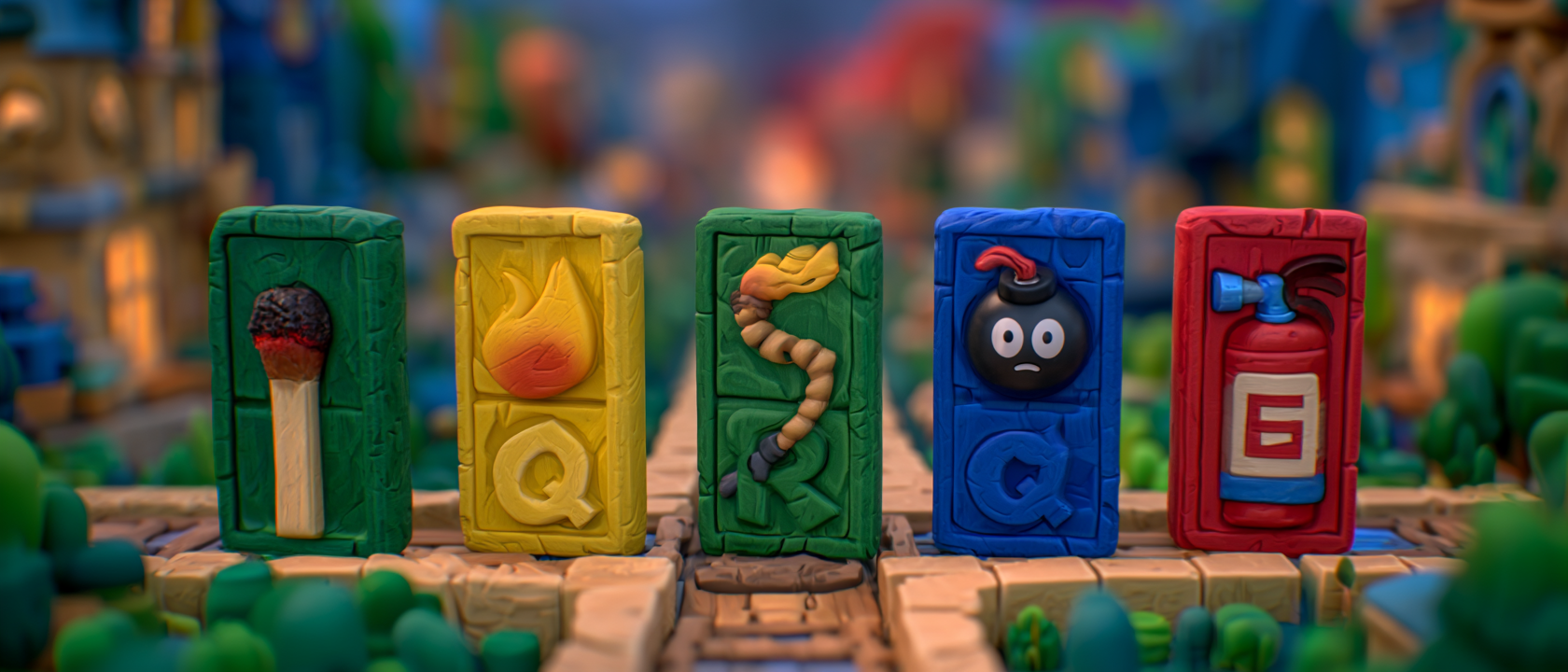
Emergence is not chaos. It is what happens when readable rules create patterns, prediction, control, chain reactions, and surprising consequences.
A strong game is not built by collecting good ideas. It becomes strong when mechanics, levels, interface, art, and meaning all point toward the same player experience.
Pacing shapes the moment. Rhythm shapes the larger flow. Understanding this distinction is essential in game design, as confusing the two can result in an experience that breaks the flow.

A toy becomes a mechanic when it can be measured in parameters, then you can challenge the players. it can be reduced into clear values, ranges, limits, and feedback the player can learn.
A good level does not simply place content in front of the player. It introduces an idea, develops it, twists it, and lets the player understand what they have learned.
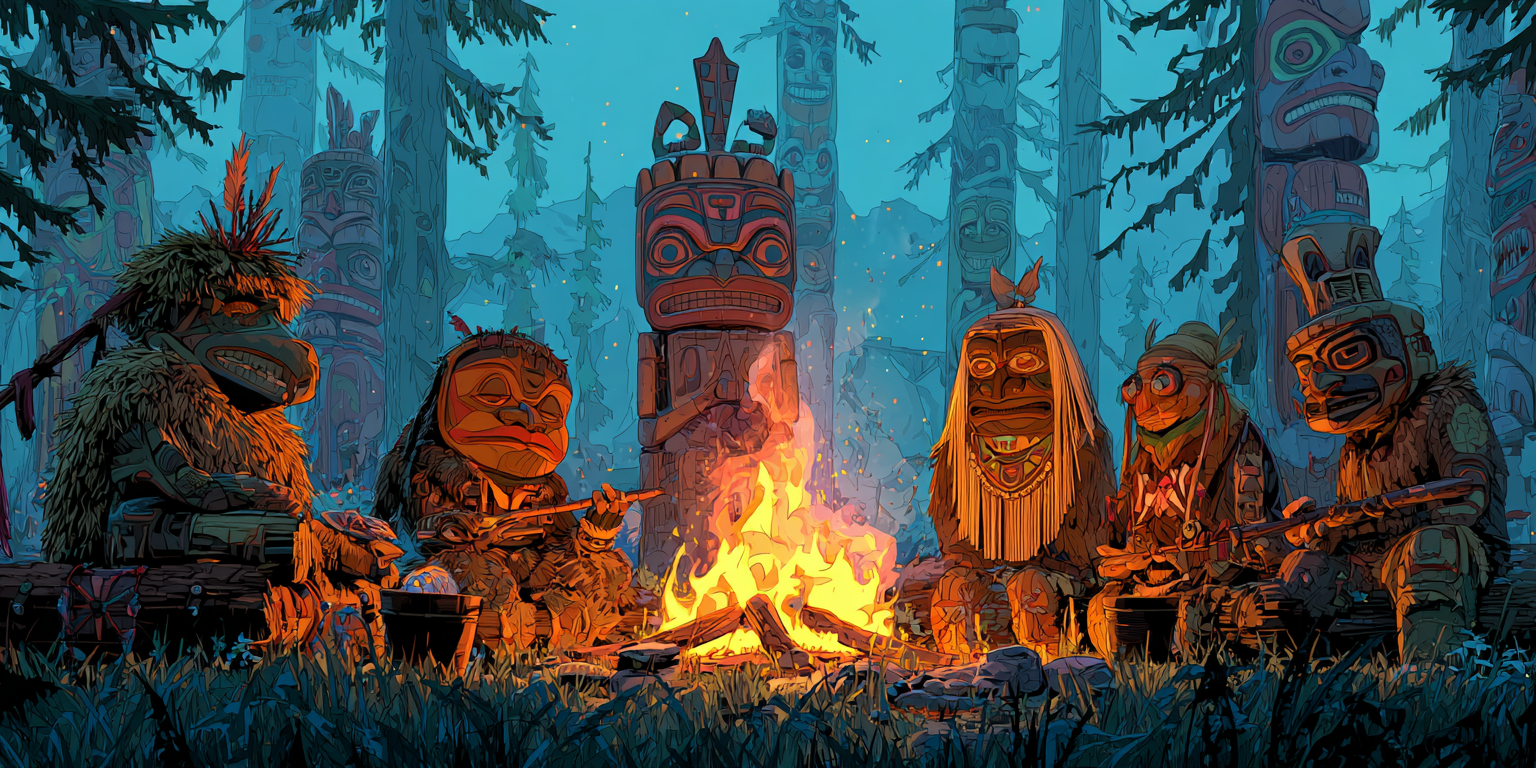
A concept does not become real because it has lore. It becomes real when the player can observe how people, places, things, rituals, beliefs, and repeated behaviors hold the world together.

A good enemy is not defined only by how smart it is. It is defined by what the player can read, feel, learn, avoid, counter, transform, or play with.

Game feel is not decoration. It is the sensation that the game has answered the player: with weight, timing, clarity, and life.
Teach one thing at a time.
Learning collapses when the player must decode too many ideas at once.
Early chapters, references, production notes, and launch updates arrive first.